
We often view Hollywood through a filtered lens of perpetual luxury. We see the private jets, the shimmering gowns, and the sprawling estates, and we assume that fame is a direct synonym for limitless wealth. But behind the red carpets and the brand deals lies a much colder reality: celebrity is a high-overhead business.
In the modern era, a famous person is not just an artist; they are a corporation. They are responsible for financing their own security, styling, public relations, and legal defense. From stars struggling to pay mortgages to icons receiving insultingly small royalty checks, these 15 celebrities have pulled back the curtain on what it actually costs to maintain a place in the sun.
1. Margot Robbie: The Hidden Cost of Safety
After her meteoric rise in the DC Universe as Harley Quinn, Margot Robbie learned a terrifying lesson: fame attracts more than just fans; it attracts threats. Robbie revealed that once a star reaches a certain level of visibility, personal security becomes a mandatory, non-negotiable expense.
“When you get those threats, it’s smart to have a security team do a background check on whoever sent them,” she explained. Each of those checks costs roughly $2,000. For a high-profile woman in showbiz, the “stalker tax” can reach tens of thousands of dollars a month. This financial burden forced Robbie to change her career strategy, moving away from small indie films to take on big-budget blockbusters just to sustain the cost of staying safe.
Beyond the glitz of the red carpet lies a costly necessity: safety. Watch as Margot Robbie discusses the high stakes and even higher prices of personal security in Hollywood
2. Tiffany Haddish: The $4,000 “Mortgage Dress”
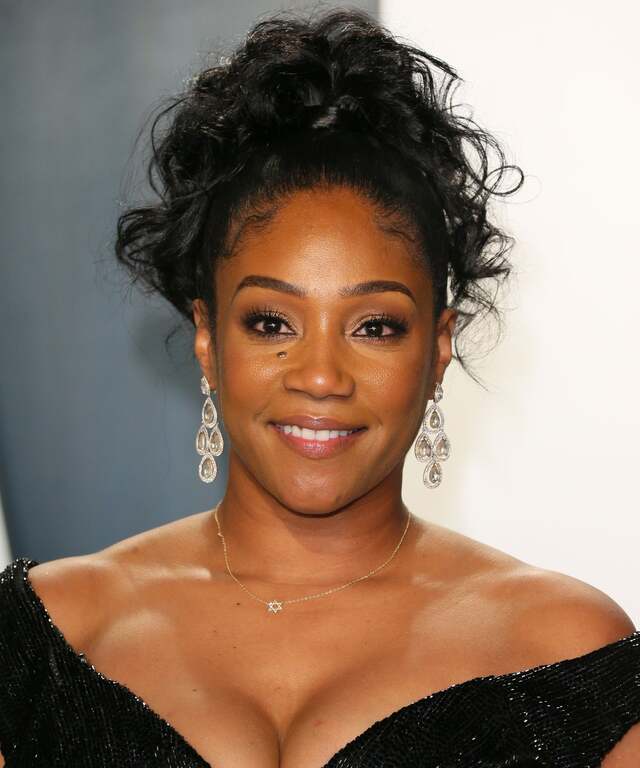
Tiffany Haddish became a household name after Girls Trip, but her bank account hadn’t quite caught up to her fame during the film’s press tour. She famously recounted her “heart attack” when she realized an Alexander McQueen gown for the premiere cost $4,000.
“I was like, ‘Oh, hell no. This is my mortgage,'” she said. When she couldn’t return the dress, she made a defiant choice: she wore it again. And again. And again. By wearing the same dress to the Oscars and while hosting SNL, Haddish exposed the “wardrobe tax” that expects actresses to never be seen in the same outfit twice—a luxury many rising stars simply cannot afford.
When a dress costs more than a mortgage, you make it count. See the moment Tiffany Haddish turned a financial panic into a legendary fashion statement.
3. Sharon Stone: When the Icon Pays for Everyone
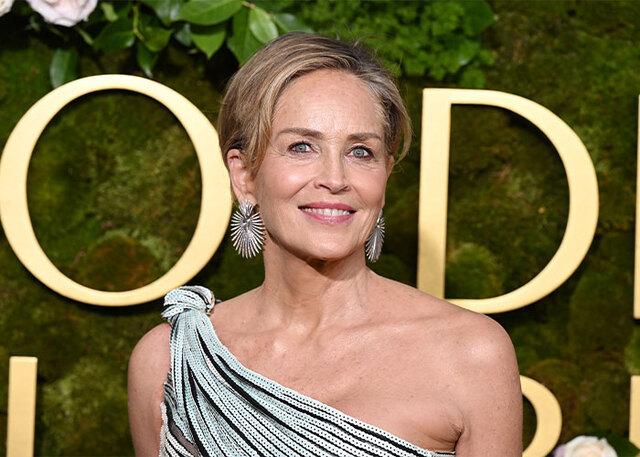
Sharon Stone’s performance in Basic Instinct made her a global phenomenon, yet the financial disparity was staggering. While Michael Douglas earned $14 million, Stone took home just $500,000. However, the world expected her to live like a billionaire.
Stone noted that overnight fame meant she had to hire a full staff just to manage her safety and public image. Furthermore, there is a “fame surcharge” at social events. “You go out to dinner, and there’s 15 people at the table, and who gets the check? You get the $3,000 dinner check every single time,” she admitted. For Stone, being famous was a fast track to being broke if she wasn’t careful.
4. Patricia Arquette: Losing Money for an Oscar

Winning an Academy Award is the pinnacle of the craft, but for Patricia Arquette, her role in Boyhood was a labor of love that actually drained her bank account. Because the film was shot over 12 years with a small indie budget, the pay was negligible.
“I paid more money to my babysitter and my dog walker than I made on Boyhood,” Arquette revealed. It is a sobering reminder that “prestige” doesn’t pay the bills. She admitted that she relies on television roles—the steady, “un-glamorous” work—to actually put her children through college.
5. Justin Bieber: The $31 Million Debt Trap
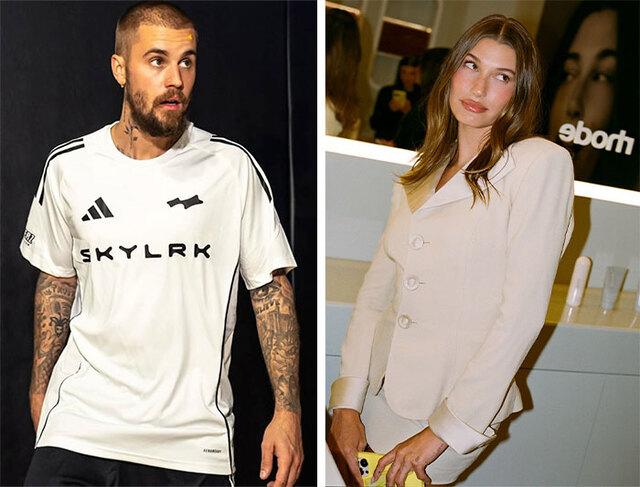
Even the biggest pop stars aren’t immune to financial collapse. Reports recently surfaced that Justin Bieber faced a staggering $31.5 million debt following the cancellation of his Justice World Tour. Between massive advances owed to promoters and unpaid commissions, the singer was left in a precarious position for years.
His story highlights that in the music industry, the bigger the tour, the bigger the risk. When the stage lights go dark, the payroll for hundreds of employees and the interest on millions in debt keep ticking.
Even global icons face financial turbulence. Dive into the details of the multimillion-dollar debt that nearly stalled one of the biggest careers in music history
6. Meryl Streep: The Imperfect Price of Perfection
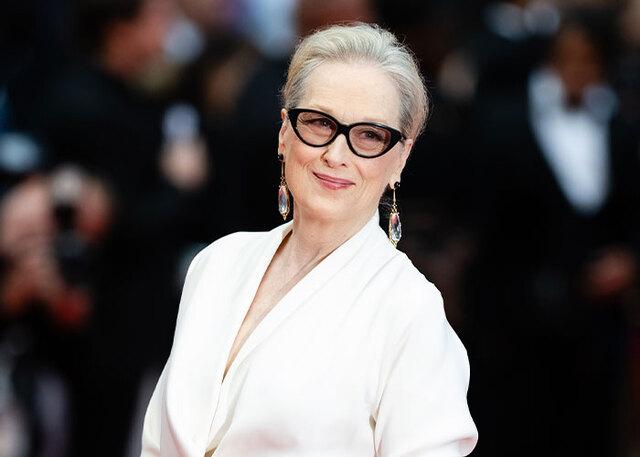
Even a legend like Meryl Streep faces the high costs of maintaining an “unassailable” image. While filming The Devil Wears Prada, the wardrobe for her character, Miranda Priestly, cost over $1 million. While the studio covers film costs, the anecdote reflects the broader expectation of high-fashion excellence that follows stars off-camera. Streep noted that the lavishness was often impractical, requiring dozens of takes just to make a coat land on a desk “the right way”—time and money spent on the altar of aesthetics.
7. Ashley Greene: The “Twilight” Ruin
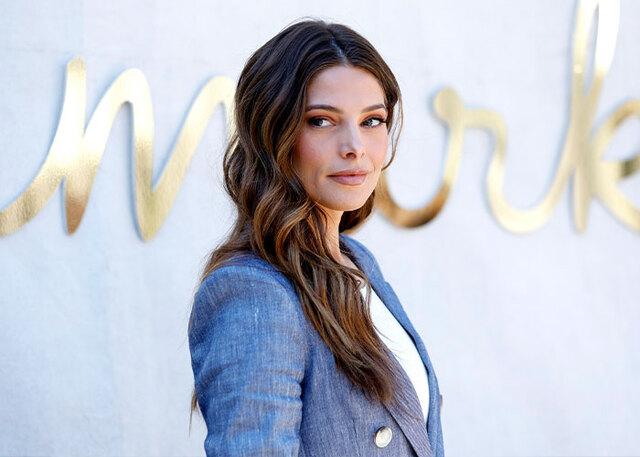
Ashley Greene found herself in the center of a cultural hurricane with Twilight. However, she admitted that the luxury perks—like flying first class—eventually “ruined” her. “It is just not worth it to buy a first-class ticket because of the cost,” she said, yet as a recognizable face, flying coach often results in harassment. Greene’s struggle illustrates the “luxury trap”: once you are famous, the “normal” (and cheaper) way of living becomes impossible, forcing you into expensive tiers of travel and housing just to function.
8. Taraji P. Henson: The Math of Frustration

In a viral, emotional interview, Taraji P. Henson broke down the “math of fame” that leaves actors with mere fractions of their gross pay. “Uncle Sam is getting 50%. Your team is getting 30%,” she explained.
Crucially, those percentages are taken from the gross amount. If an actor earns $1 million, they pay $500,000 in taxes and $300,000 to their agents, managers, and lawyers. That leaves $200,000 to pay for a publicist, hair and makeup teams, and a mortgage. For a woman working at Henson’s level, the profit margin is shockingly thin.
Raw, emotional, and devastatingly honest: Taraji P. Henson breaks down the ‘math of fame’ that leaves stars with pennies on the dollar.
9. Adelaide Kane: The “Net Worth” Myth
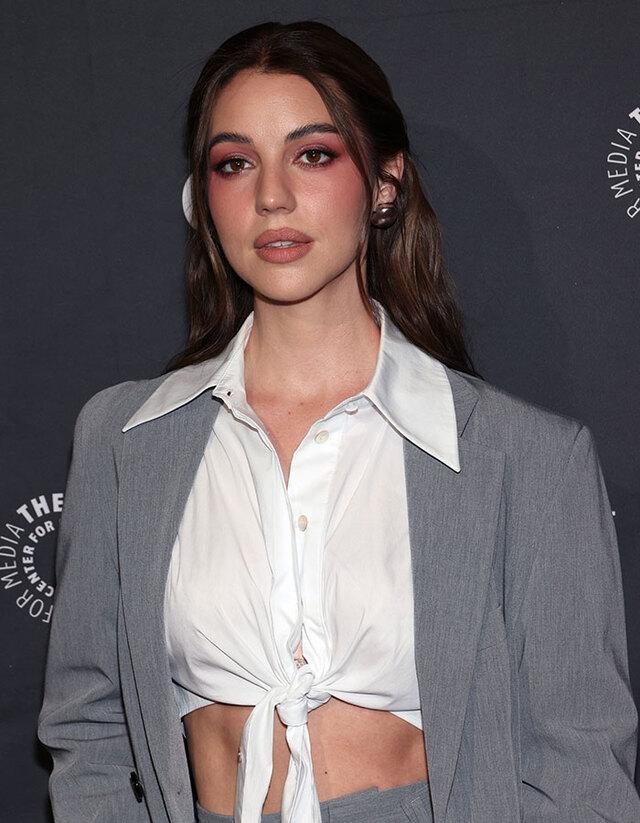
Adelaide Kane, star of Reign, took to TikTok to debunk the internet rumors that she was worth $4 million. She explained that as a foreign national working in the U.S., she loses 60% of every paycheck immediately to fees and taxes. After 14 years of consistent work, she estimated her actual take-home pay was closer to a modest upper-middle-class salary, which then has to cover $3,000 monthly publicist fees and $1,500 event outfits.
10. Drake Bell: The Foreclosure of a Teen Idol
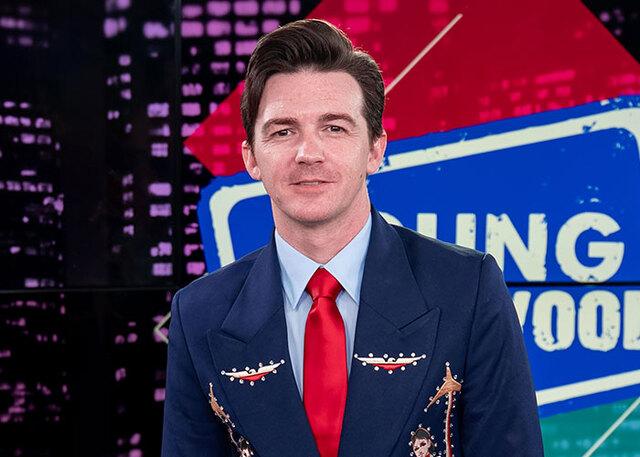
Drake Bell was once a king of Nickelodeon, but his adulthood was marred by a 2014 bankruptcy filing. Despite the millions earned as a teen, he found himself $581,000 in debt with a $2 million mansion in foreclosure. His story is a cautionary tale about the “peak-life” expenses: building a lifestyle at age 18 that you cannot sustain at age 28 when the phone stops ringing.
11. Busy Phillipps: The Mandatory “Beauty Tax”

Busy Phillipps has been vocal about the fact that red-carpet appearances are often “personal financial hits.” Even when a production company covers part of the cost, stars are often $1,000 to $5,000 out of pocket for the high-end tailoring, jewelry insurance, and glam squads required to look “Hollywood-ready.” She calls it the “beauty tax”—the price you pay to stay relevant enough to get the next job.
12. Toni Braxton: The Royalty Nightmare
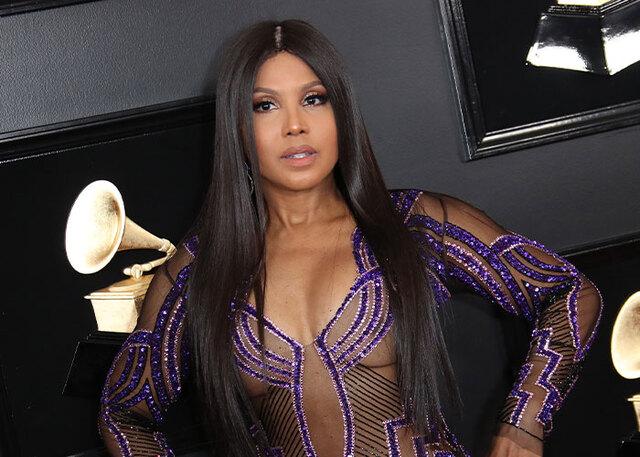
Toni Braxton sold $170 million worth of records, yet her first royalty check was only $1,972. This exposed the predatory “recoupment” system in the music industry, where artists must pay back the label for everything: the music video, the travel, the clothes, and the recording studio. Braxton’s two bankruptcies weren’t just about spending; they were about a system designed to keep the artist in debt while the label profits.
A global superstar with a royalty check for less than $2,000. Toni Braxton’s story is a chilling look at the predatory side of the music business.
13. Christy Carlson Romano: Spending as a Weapon

The former Disney star admitted to “blowing through” millions of dollars. Without proper financial guidance, she used money as an emotional tool, buying G-Wagons and expensive psychics. Her transparency highlights a critical issue: child stars are rarely taught that the “work is going to slow down.” When the Disney machine moves on to the next teenager, the bank accounts of the previous ones often dry up faster than they can adapt.
From Disney fame to digital reinvention: See how Christy Carlson Romano lost millions and found a new voice on YouTube
14. Rebel Wilson: A “Skint” Year in Hollywood

Rebel Wilson earned just $3,500 for her breakout role in Bridesmaids. After paying her union dues and buying a dress for the premiere, she actually lost money on the film. She spent the following year living on $60 a week, proving that even “being in a hit movie” doesn’t mean you can afford a decent meal.
It’s hard to imagine that a role in a global blockbuster could leave you broke, but that’s exactly what happened to Rebel Wilson. In the candid clip below, she breaks down how her breakout performance in Bridesmaids actually cost her more than she earned.
15. Sydney Sweeney: The Death of Residuals
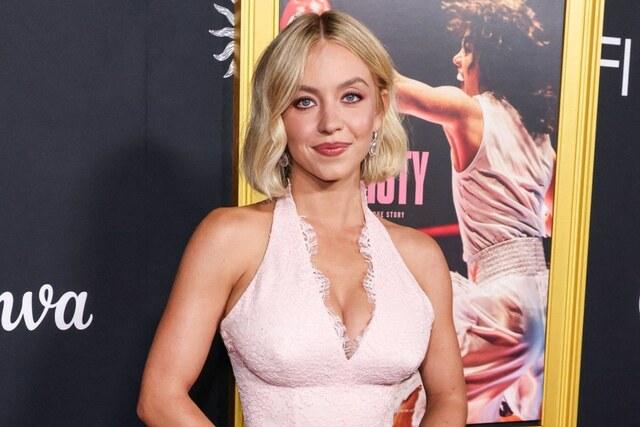
Sydney Sweeney is currently one of the most in-demand actresses in the world, yet she says she cannot afford to take a six-month break. “They don’t pay actors like they used to, and with streamers, you no longer get residuals,” she told The Hollywood Reporter. In the past, an actor on a hit show could live off “mailbox money” (rerun checks) for years. In the streaming era, that safety net is gone, forcing even top-tier stars to work at a breakneck pace just to cover their overhead.
Final Thoughts: Seeing the Human Behind the Brand
The stories of these 15 stars serve as a vital reality check. Fame is a fickle, expensive, and often predatory machine. While we shouldn’t necessarily pity those with million-dollar gross earnings, we must understand the systemic pressures that treat human beings as depreciating assets.
As the industry shifts toward streaming and “influencer” culture, the transparency provided by these celebrities is essential. They remind us that the glamour we consume is a highly manufactured—and very expensive—illusion. By speaking out, they are breaking the taboo of “money talk” and demanding a more sustainable future for the artists who provide the stories we love.